Posts

Showing posts with the label Kosher Certified Products

Kosher Certification: A Trusted Label for Food Safety and Quality
Image
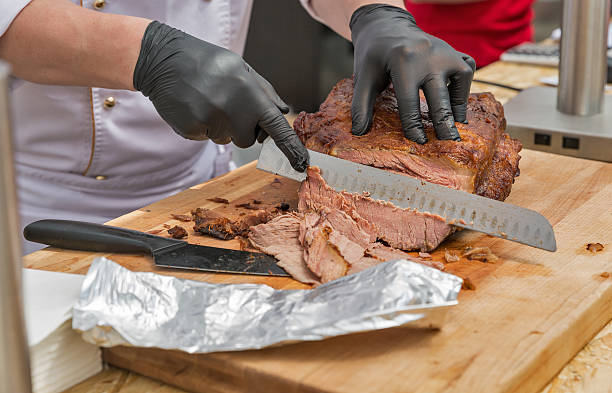
In today’s world, people are more mindful than ever about what goes into their food. Labels that reflect quality and transparency help customers make informed choices. One such label is  Kosher Certification —a mark that signifies more than religious approval. It represents clean production, trustworthy sourcing, and high food standards. What Does Kosher Mean? The word kosher comes from Hebrew and means “fit” or “proper.” In food terms, it refers to items prepared according to Jewish dietary laws. These rules determine which foods are allowed, how animals should be treated, and how food must be handled. Some key principles include: Only specific animals, like cows and chickens, can be eaten. Animals must be slaughtered in a humane, prescribed way. Meat and dairy products cannot be mixed—not in cooking, serving, or even in storage. The laws also apply to food equipment, packaging, and cleaning methods. Everything must follow strict rules to avoid cross-contamination....

What Is a Kosher Certification?

Image
 If you’ve ever noticed a small symbol like a “U” inside an “O” or a simple “K” in a circle on a snack wrapper or juice bottle, that’s a  Kosher Certification  mark. These symbols show that a product meets Jewish dietary laws. But over time, they’ve come to stand for much more—like quality, cleanliness, and trusted oversight. The term “kosher” means “proper” or “fit” in Hebrew. It refers to foods that follow Jewish laws on what can be eaten and how it must be prepared. For instance, only certain animals are allowed, meat and dairy can’t be mixed, and the slaughter of animals has to follow special procedures. For people who keep kosher, these rules are an essential part of daily life. But  Kosher Certification  have also earned a strong reputation beyond religious circles. Many shoppers look for these symbols because they believe it means the food has been produced under stricter controls. Why Do Companies Get Kosher Certified? For food brands, kosher certif...

Kosher Certificate: A Modern Standard for Quality and Compliance

Image
  A Kosher certificate verifies that a product, process, or facility adheres to Jewish dietary laws. These laws, known as kashrut , outline what foods are acceptable and how they must be prepared. This includes strict rules about ingredient sourcing, equipment cleanliness, and food handling practices. A recognized Kosher certification agency oversees this process. Their inspectors carefully evaluate the entire operation. If it meets all Kosher requirements, the business earns the certificate and can use an approved Kosher symbol on its packaging. The Growing Appeal of Kosher Products Kosher-certified products are no longer limited to religious communities. More consumers now seek out these items for a variety of reasons. Some appreciate the extra oversight, while others value the transparency and cleanliness the certification implies. People with dietary restrictions—such as lactose intolerance, allergies, or specific lifestyle choices—often trust Kosher-labeled products. The...

Kosher Certified Products: Ensuring Compliance & Quality

Image
  As the demand for kosher-certified food continues to grow worldwide, Indian businesses are recognizing the importance of obtaining kosher certification. This certification ensures that food products comply with Jewish dietary laws, making them suitable for consumption by Jewish communities and other consumers who prefer Kosher Certified Products for their high standards of food safety and quality. What is Kosher Certification? Kosher certification is a process that verifies whether food products adhere to Jewish dietary laws, which dictate permissible ingredients, preparation methods, and handling procedures. This certification is granted by a Kosher Certified Products, which conducts inspections and ensures ongoing compliance with kosher regulations. The Growing Importance of Kosher Certification in India India is a leading producer and exporter of food products, including spices, dairy, grains, edible oils, and processed foods. As global demand for kosher-certified products i...